Article
Interactive Pet Toys for Bored Pets (Under $30)
Quick Answer
Interactive Pet Toys for Bored Pets (Under $30): quick answer
Pet boredom rarely looks like boredom. It looks like chewing, scratching, pacing, yowling, ankle attacks, plant destruction, or a pet that seems to...
- Topic: Pet Toys.
- Related product category: pet-toys.
- This article keeps the main answer in the article copy and places relevant product context inside the guide.
Boredom Usually Shows Up as Behavior
Pet boredom rarely looks like boredom. It looks like chewing, scratching, pacing, yowling, ankle attacks, plant destruction, or a pet that seems to demand attention the second you sit down. Owners often describe the animal as “bad” or “too much,” but the behavior is usually a signal. The pet has energy or stress and no acceptable place to put it. Interactive toys help because they change the pet’s role from passive observer to participant. A toy that moves, jingles, squeaks, flutters, or reacts gives the animal something to solve. That mental work matters. A five-minute focused play session can be more satisfying than an hour of a toy sitting on the floor untouched. The important part is matching the toy to the boredom behavior. A pet that chews needs a chew redirect. A cat that stalks feet needs a prey-style wand. A pet that ignores the toy box may need a simple re-engagement tool. A household where the owner is busy may need an autonomous toy that creates movement when no one can actively play. This guide covers six interactive options under $30. Most are cat-focused because the products in this set are feather, wand, catnip, and small-prey toys, but the buying logic is useful for any small pet enrichment setup: identify the behavior, choose the matching outlet, and rotate toys before they become invisible.
1. The Feather-Chase Pick: Interactive Plush Tassel Cat Toy with Feathers and Bell - $17.80
The boredom problem it solves: A pet that wants movement and sound, especially a cat that responds to prey-like fluttering but loses interest in static toys. [Interactive Plush Tassel Cat Toy with Feathers and Bell](/products/interactive-plush-tassel-cat-toy-with-feathers-and-bell-p-002970) ($17.80) combines three common engagement triggers: motion, feathers, and sound. The tassel shape gives the toy body, the feathers create flutter, and the bell makes it easier for the cat to track. This is a good pick for owners who want something more engaging than a plain plush toy but less complicated than an electric toy. It can be tossed, dragged, shaken, or used as part of a short interactive session. The bell matters because sound can re-engage a cat after the toy briefly leaves sight. That is useful in small rooms where furniture interrupts movement. The toy also gives the cat something to grab and “finish.” That final catch is important. A lot of frustrated play happens when the toy always escapes and the cat never gets the reward of capture. A plush tassel body gives the pet something to hold, kick, and bite at the end of the chase. Best for: Cats that like feathers, cats that respond to sound, kittens learning chase play, and owners who want a tossable interactive toy. What to watch for: Bells and feathers are small parts. Inspect them regularly. This is not the best choice for a heavy chewer left alone for long periods.
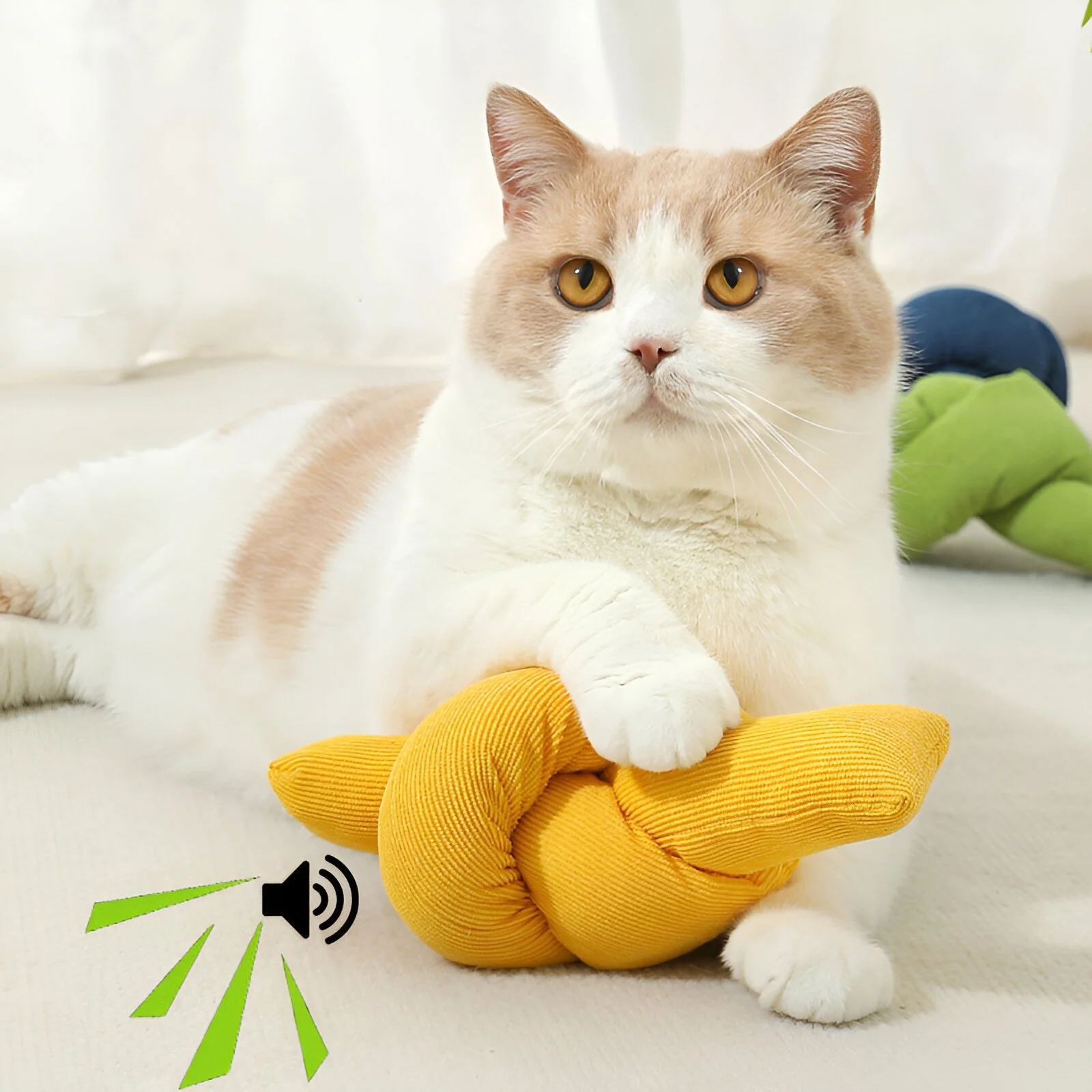
2. The Chew Redirect: Interactive Catnip Chew Pillow - $13.65
The boredom problem it solves: Chewing and grabbing behaviors that need a safe target. This is especially useful for cats that bite sleeves, hands, cables, soft objects, or inappropriate household items. [Interactive Catnip Chew Pillow - Plush Squeaky Toy for Indoor Cats](/products/interactive-catnip-chew-pillow-plush-squeaky-toy-for-indoor-cats-p-002726) ($13.65) is a soft chew-and-kick target. The pillow shape makes it easy for a cat to hold with the front paws and kick with the back paws. That bunny-kick movement is a normal feline behavior, but it becomes a problem when the target is a human arm. This toy works best as a redirect. Place it near the area where the unwanted chewing or grabbing tends to happen. When the cat begins to target the wrong object, offer the pillow instead. The goal is not to punish the behavior. The goal is to give the same instinct a better destination. Catnip can help attract attention, but the toy should not depend entirely on catnip. Some cats respond strongly, some mildly, and some not at all. The plush shape and squeaky feedback still make it useful as a tactile toy. Best for: Cats that bunny-kick, teething kittens, anxious chewers, and pets that need a soft target for grabbing and biting. What to watch for: Inspect seams. A strong chewer can open plush toys over time. If the cat becomes overstimulated by catnip, use the toy in shorter sessions.
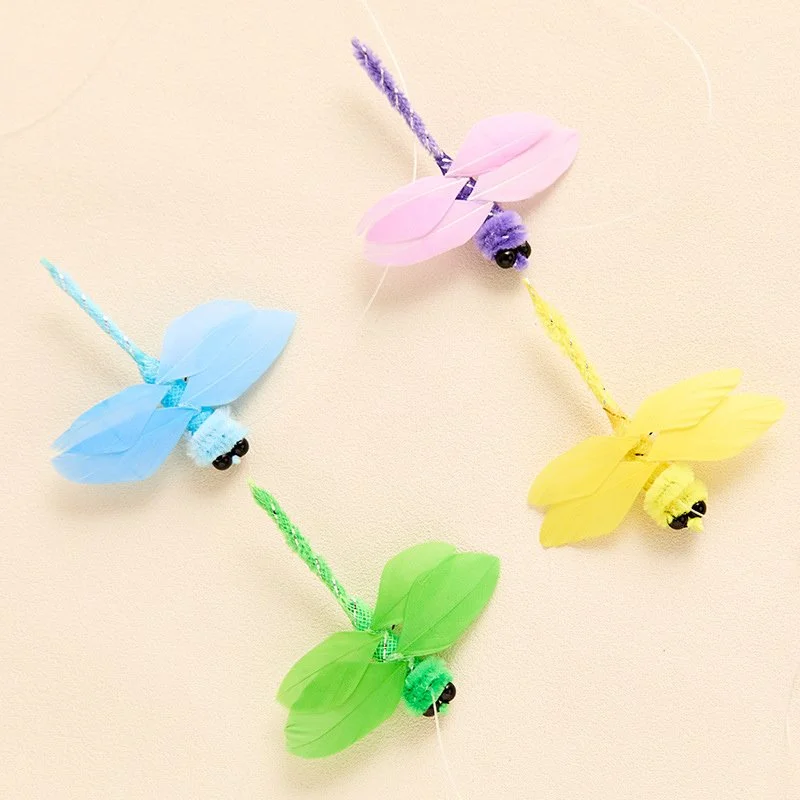
3. The Rotation Saver: 4pcs Feather Dragonfly Cat Teaser Replacement Heads - $10.80
The boredom problem it solves: Toys become boring or damaged, but the wand itself still works. Replacement heads bring novelty back without buying a full new toy. [4pcs Feather Dragonfly Cat Teaser Replacement Heads - Interactive Pet Toys](/products/4pcs-feather-dragonfly-cat-teaser-replacement-heads-interactive-pet-toys-p-003012) ($10.80) is the smartest budget pick in the guide because it supports rotation. A cat that ignores an old wand may respond immediately when the attachment changes. Novelty is enrichment, and replacement heads are one of the cheapest ways to create it. The dragonfly shape is useful because it suggests small airborne prey. It can flutter, dart, and pause in ways that trigger a cat’s visual tracking. For cats that are bored by the same attachment, the change in silhouette can be enough to restart interest. This product is also practical for households with destructive players. Some cats shred feather attachments quickly. That does not mean the wand was a bad purchase. It means the attachment did its job as prey. Having four replacements keeps the play routine going. Best for: Homes that already own compatible teaser wands, feather-focused cats, multi-cat households, and owners trying to keep play fresh on a low budget. What to watch for: Compatibility matters. Check the connection style. These are replacement heads, not standalone toys.
4. The Structured Play Pick: Interactive Cat Teaser Wand with Plush Tassel, Bell & Ribbon - $18.49
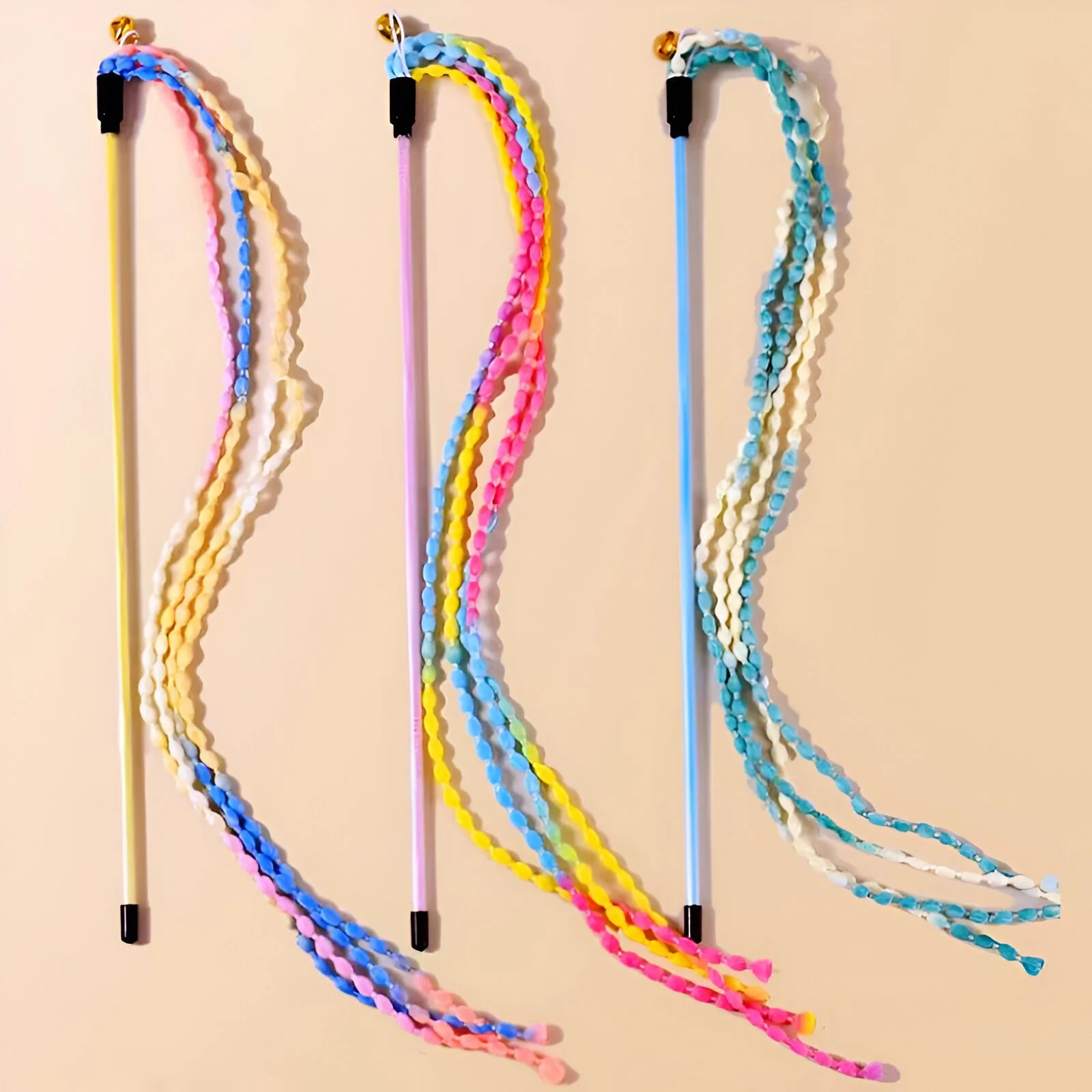
The boredom problem it solves: Unspent hunting energy. This is the cat that attacks ankles, launches onto moving blankets, or starts intense activity at night. [Interactive Cat Teaser Wand with Plush Tassel, Bell and Ribbon](/products/interactive-cat-teaser-wand-with-plush-tassel-bell-and-ribbon-p-003024) ($18.49) is the backbone toy for most bored indoor cats. A wand gives the owner control over prey movement while keeping hands away from teeth and claws. The tassel, bell, and ribbon create layered sensory cues: movement, sound, flutter, and capture. The reason wand play works is that it can follow the hunting sequence. The toy can hide, move, pause, flee, and finally be caught. That is very different from leaving a toy on the floor. It gives the animal a job. For many cats, this is the daily anchor. Use it for 10 minutes before dinner or bedtime. Let the cat catch the toy at the end. Then feed or reward. That creates a satisfying finish instead of stopping play randomly while the cat is still excited. Best for: Indoor cats, bored apartment pets, cats that pounce on people, and owners who want one reliable interactive routine. What to watch for: It only works if you use it. Store it after play. Wands and attachments should not be left out for chewing.
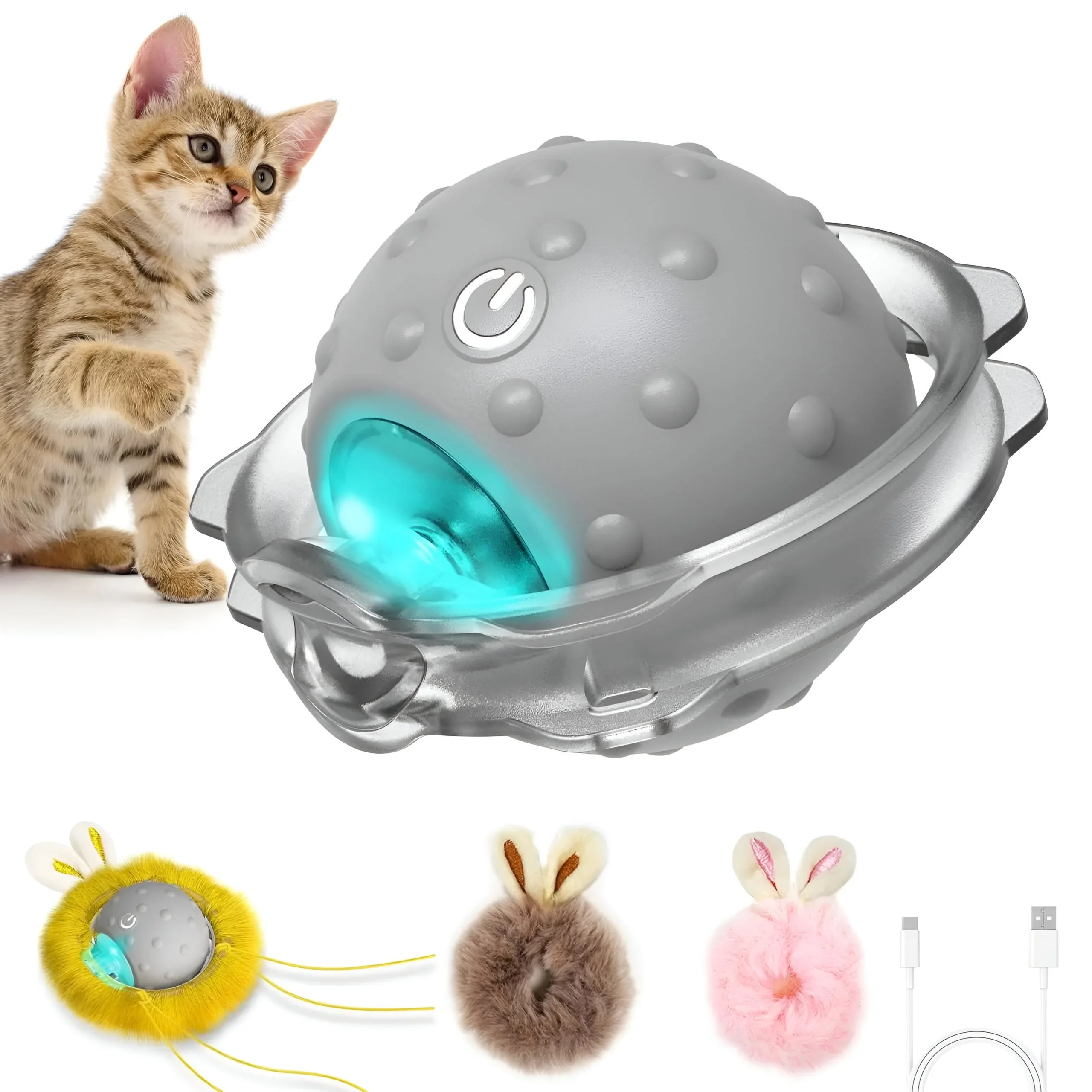
5. The Busy-Household Pick: Interactive Electric Cat Toy with Smart Motion, LED Lights & Rechargeable Ball - $28.49
The boredom problem it solves: A pet that needs motion during the hours when no one can actively play. This is the “I work from home but cannot play all day” toy. [Interactive Electric Cat Toy with Smart Motion, LED Lights and Rechargeable Ball](/products/interactive-electric-cat-toy-with-smart-motion-led-lights-and-rechargeable-ball-p-003099) ($28.49) is the most expensive product in this list, but it is also the only one designed to create movement without constant owner input. Smart motion and LED lights add visual stimulation, and the rechargeable design avoids the annoyance of constantly replacing batteries. Electric toys work best for cats that respond to movement more than texture. If your pet is the kind that watches bugs, tracks rolling objects, or chases small moving things across the floor, this category makes sense. It can be especially useful during work blocks when the cat keeps interrupting because it has energy and wants action. The best use pattern is short, supervised sessions at first. Let the pet explore the toy without pressure. If the cat is cautious, place it in the room turned off first, then introduce motion later. Mechanical movement can be exciting for some pets and suspicious for others. Best for: Working owners, single-cat homes, cats that chase motion, and households that need occasional self-play support. What to watch for: This is entertainment, not a replacement for human play. Some cats ignore mechanical toys. Check room hazards and charging needs.
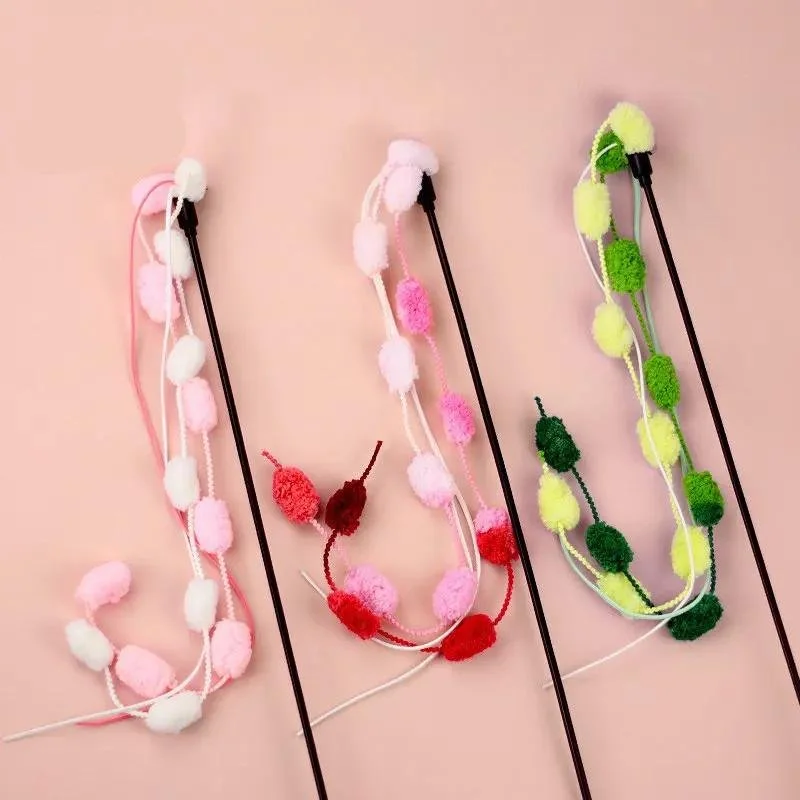
6. The Simple Reset: Interactive Cat Toy Stick with Bell - $14.99
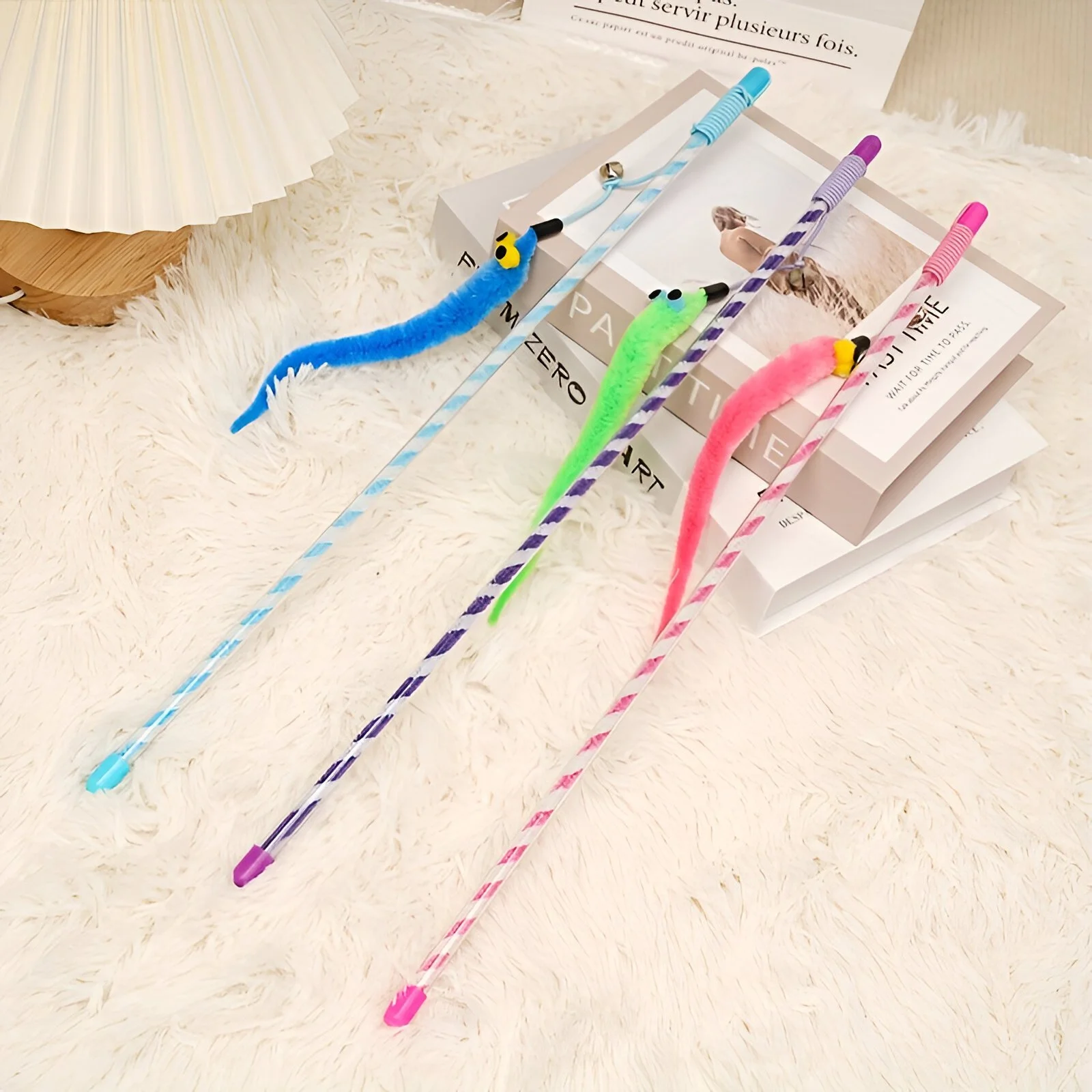
The boredom problem it solves: A pet that has become desensitized to complicated toys. Sometimes a simple sound-and-chase toy works better than another feature-heavy gadget. [Interactive Cat Toy Stick with Bell](/products/interactive-cat-toy-stick-with-bell-p-002658) ($14.99) is the reset tool. It strips interactive play back to the essentials: a target, a stick, and a sound cue. That simplicity can be exactly what a bored cat needs if the current toy box is full of objects it no longer notices. The bell gives immediate feedback. Some cats respond to sound before they respond to motion. That makes this toy useful for restarting engagement. It is also easy for first-time owners because there is not much to manage: move the stick, let the bell cue attention, and build a short play session. This is not the most exciting toy for a very high-drive cat, but it is valuable for shy, older, or overstimulated cats that do better with simple movement. It is also a good backup toy to keep in rotation when feather attachments are worn out. Best for: Cats that ignore the toy box, senior cats, cautious cats, and first-time owners who want a simple interactive option. What to watch for: Simple means simple. It may not hold interest as long as a feather or electric toy. Put it away after use if nighttime bell noise will bother you.
How to Match Toy to Behavior
Start with the behavior, not the product. If the pet chews, grabs, or bunny-kicks, start with the chew pillow. That gives the mouth and back legs an acceptable target. If the pet stalks feet, attacks blankets, or gets wild at night, start with the teaser wand. That is hunting energy asking for structure. If the pet ignores old toys, start with the bell stick or replacement heads. The problem may be novelty decay, not lack of interest. If the pet gets bored while you work, consider the electric toy. It gives movement when you cannot. If the pet responds to sound, choose bells, crinkle, or squeak. If it responds to sight, choose feathers, ribbons, or motion. If it responds to texture, choose plush or chew shapes. This diagnostic approach saves money because you stop buying random toys and start buying outlets.
A Three-Toy Boredom System
For most indoor cats, the best setup is three categories:
- One owner-led toy
- One solo or semi-solo toy
- One chew, scratch, or sensory toy
From this guide, that could mean the teaser wand, the chew pillow, and the electric toy. Or it could mean the simple bell stick, replacement heads, and plush tassel toy. The exact mix depends on your pet, but the structure is the same. The owner-led toy handles bonding and energy burn. The solo toy handles downtime. The chew or sensory toy handles repetitive behaviors that otherwise target household objects. Do not leave all three out forever. Rotate them. Put one away for a week, then bring it back. The toy becomes interesting again because the environment changed.
Interactive-Toy Comparison
| Pick | Price | Boredom behavior it targets | Best for | Watch out for |
|---|---|---|---|---|
| Plush Tassel + Feathers + Bell | $17.80 | Prey-like movement | Hunt-driven cats | Bell can detach |
| Catnip Chew Pillow | $13.65 | Chewing and kicking | Anxious chewers | Catnip varies |
| 4 Replacement Heads | $10.80 | Worn-out wand novelty | Teaser households | Wand compatibility |
| Teaser Wand + Tassel + Bell | $18.49 | Structured hunt play | Indoor cats | Requires owner |
| Electric Smart-Motion Toy | $28.49 | Alone-time boredom | Working owners | Mechanical motion |
| Simple Stick + Bell | $14.99 | Re-engagement | Desensitized cats | Basic design |
Common Interactive-Toy Mistakes
The first mistake is expecting the toy to do all the work. Interactive toys still need smart use. A wand on the floor is no longer interactive. A replacement head in a drawer does nothing until it enters rotation. The second mistake is buying the most complex toy first. If a pet is cautious or overstimulated, start simple. The bell stick may work better than the electric toy. The third mistake is leaving damaged toys out. Loose bells, torn seams, and exposed stuffing are warning signs. Retire damaged toys quickly. The fourth mistake is never letting the pet “win.” In chase play, let the pet catch the toy. Constantly preventing capture creates frustration. The fifth mistake is ignoring routine. A short daily session beats one long weekend session. Pets learn patterns, and a dependable play rhythm can reduce attention-seeking behavior. The sixth mistake is using catnip as the whole strategy. Catnip is a helpful attractant for some cats, but it is not a replacement for movement, rotation, and owner-led play.
Buying Notes by Household
For a work-from-home household, choose the teaser wand and electric toy. Use the wand during breaks and the electric toy during focused work blocks. For a small apartment, choose the bell stick and chew pillow first. They are compact and easy to store. For a multi-cat household, replacement heads are unusually useful because shared toys wear out faster. For a kitten, start with the teaser wand and chew pillow. Kittens need to learn that hands are not toys, and a proper chew/kick target helps. For a senior cat, start simple. A loud electric toy may be too much. A bell stick or soft plush toy may be easier. For a cat that destroys everything, buy replacements intentionally. Destruction is partly a sign that the toy is being used as prey. The key is safe wear, not zero wear.
How to Introduce Interactive Toys Without Overwhelming the Pet
Start with one toy at a time. A bored pet does not need a pile of new objects dumped into the room. Too many choices can make the animal ignore all of them. Put one toy in play, observe the response, and then decide whether to add another category. With a wand or stick toy, begin slowly. Let the toy move away from the pet rather than toward the pet. Prey runs away; it does not charge into the cat’s face. A timid cat may need several sessions before it trusts the movement. A confident cat may pounce immediately. With a chew pillow, do not force it into the pet’s mouth. Place it where the unwanted chewing happens and reward interest. The toy should become the easier, better option. If the pet chews cables, block cable access as well. A toy helps, but it should not be the only safety measure. With an electric toy, let the pet inspect it while it is off. Then run it for a short period. Some animals need time to understand that the movement is safe. If the first session is too intense, stop and try again later at a shorter distance. With replacement heads, rotate slowly. If a cat loves one feather head, keep it in the routine but do not leave it out permanently. Store it while interest is high. That is how you preserve novelty.
What Good Play Looks Like
Good play is not endless activity. It is focused engagement followed by a calm finish. A cat might crouch, watch, tail-flick, chase, pounce, bite, and then walk away. That is normal. Many cats play in short bursts, and owners sometimes mistake that for failure. The goal is not to force a pet to play until exhausted. The goal is to give the animal a satisfying outlet before boredom turns into behavior. If the pet engages for five minutes and then rests, that can be a successful session. Look for signs that the toy is working: fewer ankle attacks, less furniture targeting, more predictable evening energy, and a pet that seeks the toy instead of inappropriate objects. Those signals matter more than whether the toy looks exciting to you. Also look for signs of overstimulation. Dilated pupils, frantic biting, growling, possessiveness, or inability to disengage can mean the session should end. Interactive toys should reduce stress, not escalate it.
A Simple Weekly Rotation Plan
On Monday, use the teaser wand as the main evening toy and keep the chew pillow available for short supervised sessions. On Wednesday, switch the wand attachment or bring in the plush tassel toy. On Friday, use the bell stick as a simpler reset and put the more complex toys away. Over the weekend, test the electric toy in short sessions if your pet responds to motion. The point is not to create a strict calendar. The point is to avoid leaving every toy in sight until it becomes background clutter. Rotation makes inexpensive toys feel more valuable because each one gets time away from the room. If a toy is ignored, do not throw it away immediately. Store it for two weeks and reintroduce it differently. Drag it under a blanket, use it at another time of day, or pair it with a short treat reward. Many toys fail because the first presentation was boring, not because the toy itself is useless. Small changes often revive interest faster than buying more.
FAQ
Q: What counts as an interactive toy? A: A toy that creates response or participation: a wand you move, a toy that jingles, a chew object that rewards biting, or an electric toy that moves. Q: Which toy should I buy first for a bored indoor cat? A: The teaser wand. Owner-led hunting play is the most flexible starting point. Q: What if my pet chews things it should not chew? A: Try the catnip chew pillow as a redirect. Put it near the problem area and offer it before the pet targets the wrong object. Q: Are electric toys worth it? A: They are worth it for motion-driven pets and busy owners, but they should supplement human play, not replace it. Q: How often should I rotate toys? A: Weekly rotation works well for many homes. Store most toys and keep only a few available. Q: What is the cheapest useful pick? A: The replacement heads at $10.80 if you already own a compatible wand. Otherwise, the chew pillow at $13.65 is the lowest-priced full toy here. Q: Are bells safe? A: They can be safe during supervised play, but check attachment points. Remove the toy if the bell loosens. Q: How long should a play session last? A: Short sessions are fine. Five to fifteen minutes of focused play is often better than a long session where the pet loses interest.
Final Take
Interactive toys are not about buying the busiest-looking gadget. They are about giving boredom a better outlet. If the pet needs chase, use a wand or feather toy. If it needs to chew, use the pillow. If old toys are stale, refresh the wand with replacement heads. If your schedule is the problem, add the electric toy. If everything feels too complicated, restart with the simple bell stick. The best setup is small, intentional, and rotated. One toy for shared play, one for solo play, and one for chewing or sensory engagement will do more than a basket full of forgotten toys.