Article
Travel Tech Accessories Under $50
Quick Answer
Travel Tech Accessories Under $50: quick answer
Every traveler has the same tech story: the bag that weighs twice what it should because of chargers, cables, and "just in case" gadgets; the airport...
- Topic: Gadgets.
- Related product category: gadgets.
- This article keeps the main answer in the article copy and places relevant product context inside the guide.
The Travel-Tech Rule: Carry Less, Charge Faster, Break Nothing
Every traveler has the same tech story: the bag that weighs twice what it should because of chargers, cables, and "just in case" gadgets; the airport scramble for the right cable; the earbuds that die halfway through the flight; the hotel room where the only outlet is across the room and the cable doesn't reach. Travel tech fails in three predictable ways — it's too heavy, too slow, or too fragile. The fix is choosing gear that's small, fast, and durable. One cable that charges everything. A mouse that doesn't need a dongle. Earbuds that outlast the flight. A cable long enough to reach the hotel outlet from the bed. The rule of travel tech: if it doesn't make the trip easier, it stays home. This guide covers six travel tech picks under $50, each solving a specific travel problem: the wireless mouse for the no-dongle traveler, the braided cable that survives the bag, the budget cable for the backup kit, the long-play earbuds for the flight, the high-power cable for the laptop traveler, and the long cable for the hotel-room outlet problem.
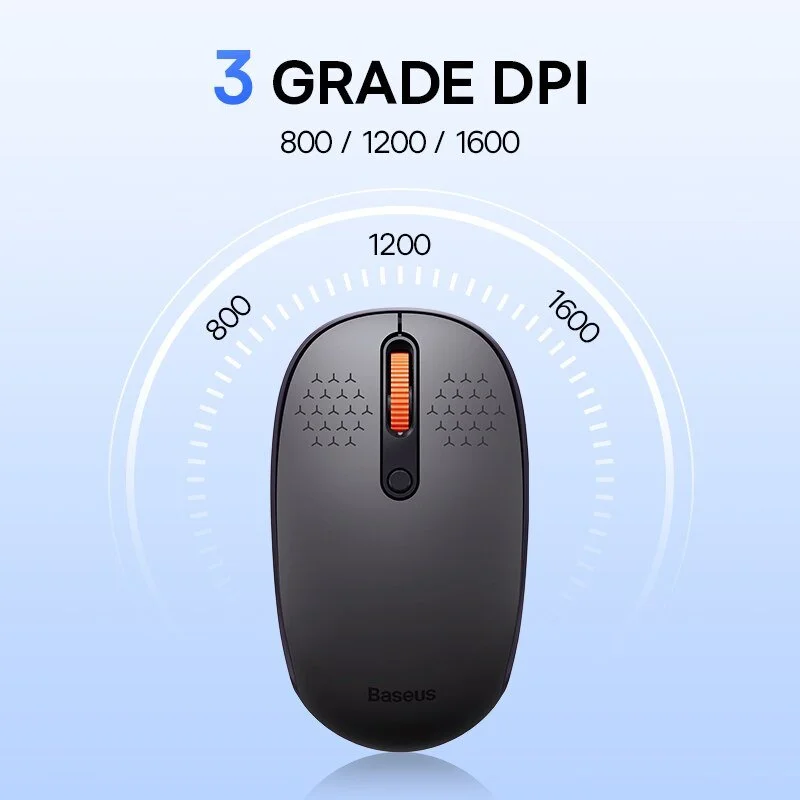
1. The No-Dongle Fix: Wireless Bluetooth 5.0 Mouse - Silent Click, 1600 DPI, Dual Mode — $28.49
The problem it solves: The travel mouse that needs a dongle — which gets lost, bent, or left in the office. A Bluetooth mouse pairs directly with the laptop, no receiver to lose. Silent clicks mean you're not the annoying person in the coffee shop or the shared workspace. [Wireless Bluetooth 5.0 Mouse - Silent Click, 1600 DPI, Dual Mode for Laptop](/products/wireless-bluetooth-5-0-mouse-silent-click-1600-dpi-dual-mode-for-p-008296) ($28.49) — a Bluetooth wireless mouse with silent clicks, 1600 DPI, and dual-mode connectivity. The dual mode covers both Bluetooth and (typically) a USB receiver option; the silent click keeps it workspace-friendly. What you're getting: A travel mouse that pairs in seconds and works anywhere. Bluetooth means no dongle to lose — the #1 travel-mouse failure. Silent clicks matter in shared spaces. The 1600 DPI covers most work needs, and the compact build slips into the laptop sleeve instead of its own dedicated bag pocket. Who it's for: Laptop travelers, remote workers who move between desks, and anyone who's ever lost a USB receiver mid-trip. Also good for the coworking-space regular who doesn't want to be the click-clack person. Honest limits: Bluetooth pairing occasionally needs re-pairing on new devices (a 10-second job). It's a travel mouse — not a gaming-grade precision tool. Battery/charging needs monitoring; check whether it's rechargeable or battery-powered before packing.
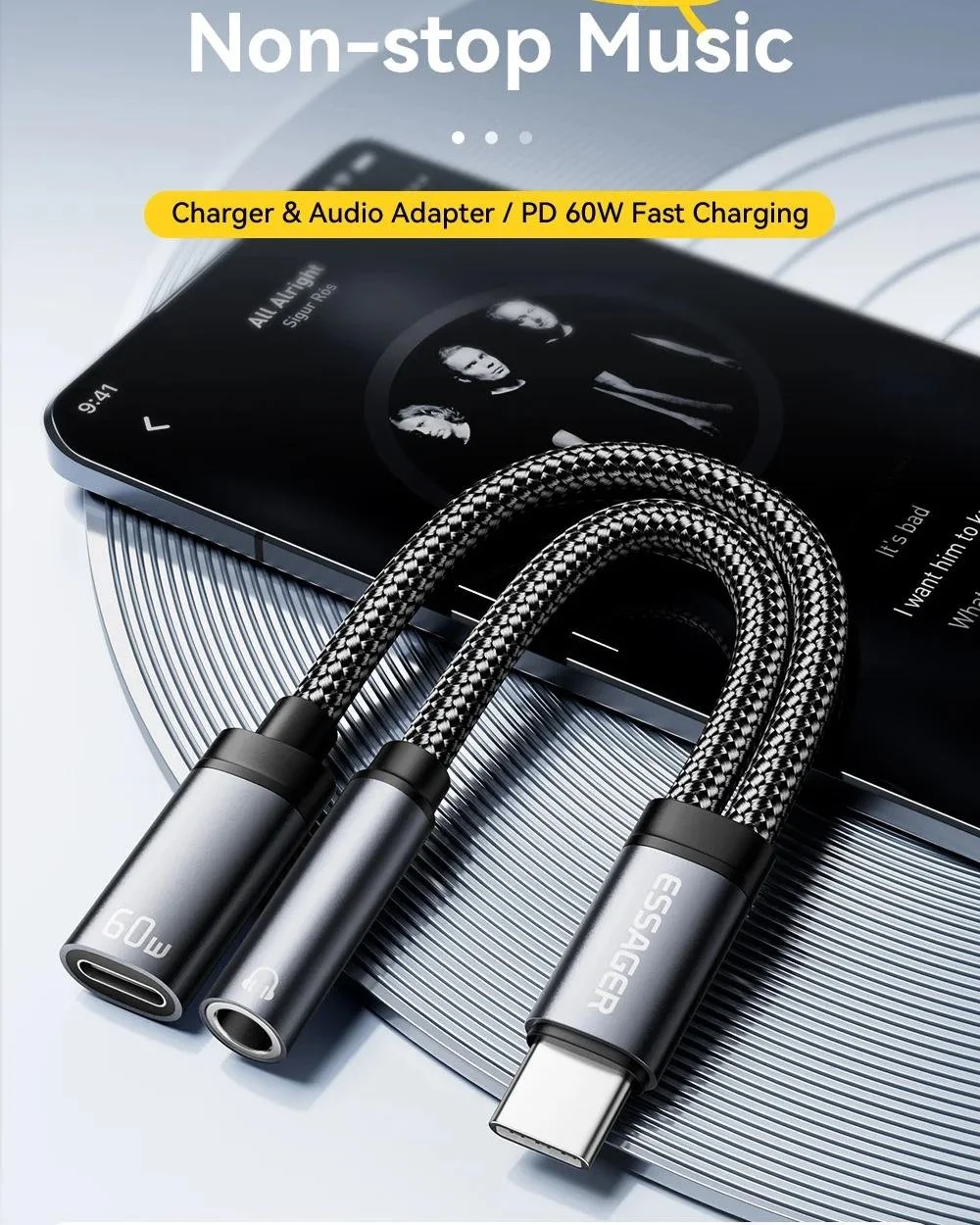
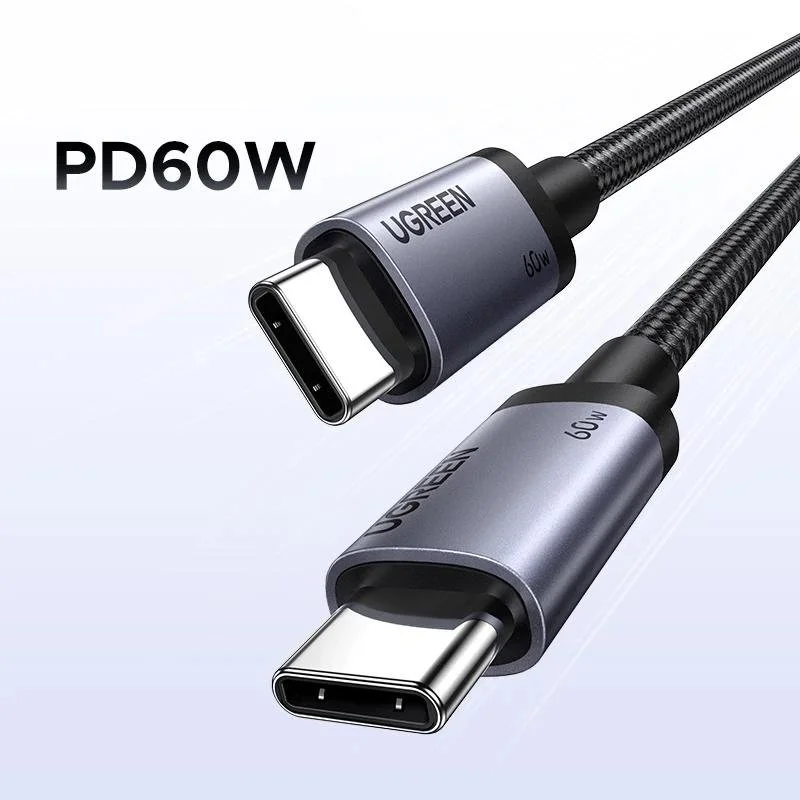
2. The Survives-the-Bag Fix: 60W USB-C to USB-C Braided Fast Charge & Data Cable — $22.80
The problem it solves: The cable that breaks at the airport — the thin, flimsy cord that frays in the bag and dies at the worst moment. A braided cable is built to survive the bag: the woven exterior shrugs off the bends, tugs, and zipper pinches that kill plain cables. [60W USB-C to USB-C Braided Fast Charge & Data Cable](/products/60w-usb-c-to-usb-c-braided-fast-charge-and-data-cable-p-008054) ($22.80) — a braided USB-C to USB-C cable rated at 60W for fast charging and data transfer. The braided build is the feature: durability that survives daily bag life. What you're getting: A cable that handles the laptop, the phone, the power bank, and the tablet — one braided cord for the main devices. The 60W rating covers laptops and fast-charging phones; the braided exterior handles the bag abuse. It's the "one good cable" that replaces the drawer of flaky ones. Who it's for: Travelers who've had cables die mid-trip, anyone tired of replacing cheap cables every few months, and minimalists who want one durable cable instead of three fragile ones. Honest limits: Braided cables are more durable but not indestructible — the connector ends are still the weak point. 60W covers most laptops but not the highest-power ones (those need pick #5's 100W or a 240W cable). And USB-C to USB-C won't serve older Apple devices (those need Lightning — pick #3 covers that).
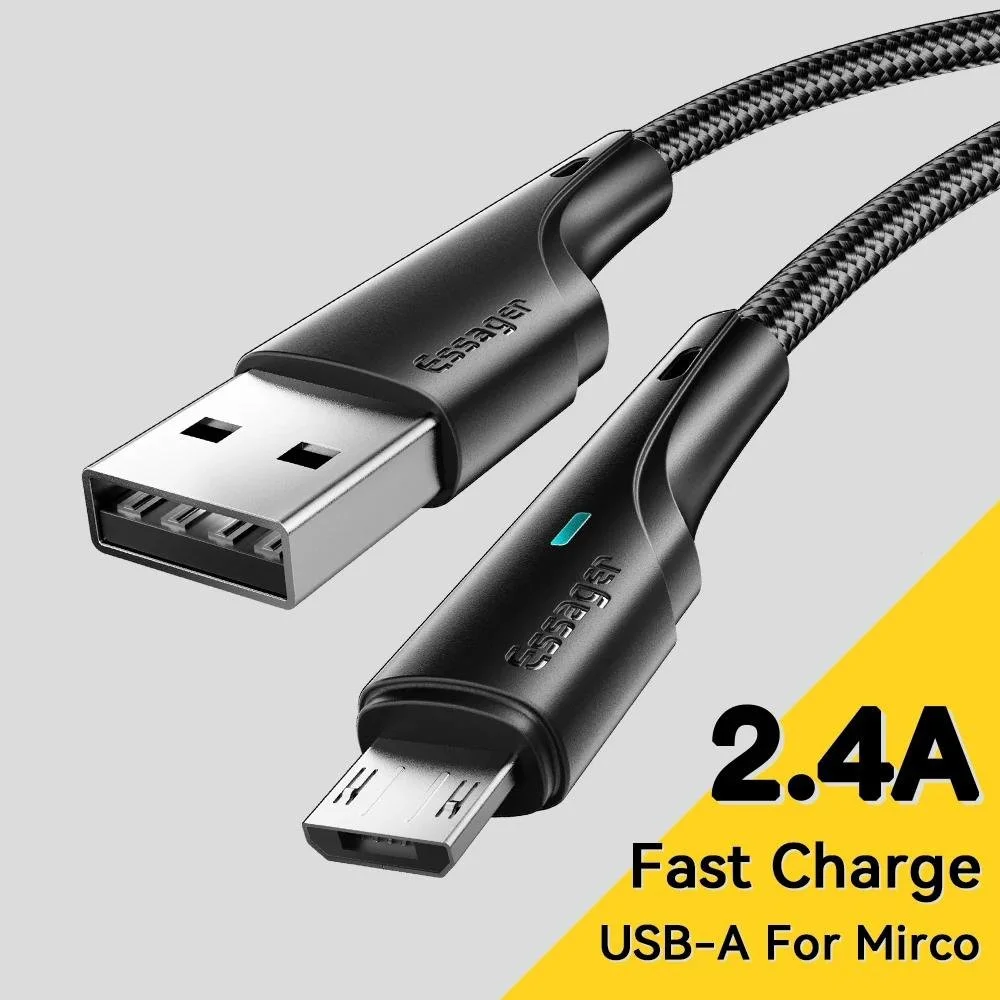
3. The Backup-Kit Fix: LED Fast Charge Micro USB Cable 2.4A Durable Braided Charging Cord — $14.49
The problem it solves: The device that needs Micro USB — the power bank, the earbuds case, the old tablet, the camera — and the cable for it that's always missing. A dedicated braided Micro USB cable in the travel kit means every device charges, not just the new ones. [LED Fast Charge Micro USB Cable 2.4A Durable Braided Charging Cord](/products/led-fast-charge-micro-usb-cable-2-4a-durable-braided-charging-cord-p-008238) ($14.49) — a braided Micro USB cable rated at 2.4A with an LED indicator. The Micro USB end serves the devices that USB-C doesn't; the LED shows the charge state at a glance. What you're getting: The cable that covers the legacy devices in the bag — power banks, older earbuds, cameras, and the random gadget that still uses Micro USB. The braided build survives the bag; the 2.4A rating charges at a reasonable speed; the LED indicator confirms the connection is live (useful when the port is finicky). Who it's for: Travelers with mixed device generations (USB-C phone + Micro USB power bank), anyone with a device that refuses to charge with the new cable, and the preparedness-minded who keep a backup cable in the bag. Honest limits: Micro USB is the legacy format — it charges slower than modern USB-C fast charging. 2.4A is decent but not flagship-fast. And it only serves Micro USB devices — it's a supplement to, not a replacement for, the USB-C cables.
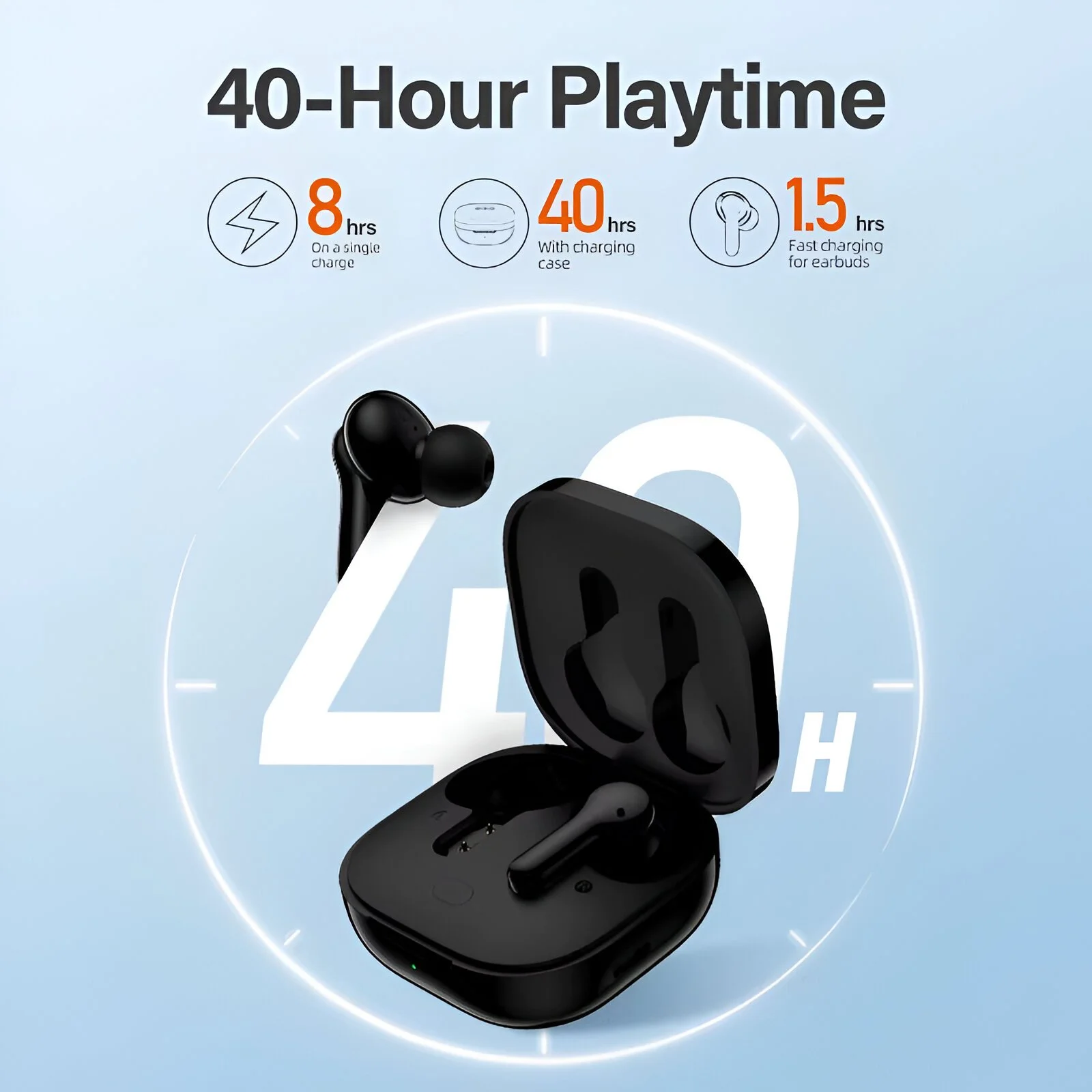
4. The Mid-Flight Fix: Wireless Bluetooth Earbuds with 4-Mic ENC, Deep Bass & 40H Playtime — $49.65
The problem it solves: The earbuds that die halfway through the flight. The single worst travel-tech failure is audio that runs out of battery over the ocean. Earbuds with long total playtime (including the charging case) survive the whole journey. [Wireless Bluetooth Earbuds with 4-Mic ENC, Deep Bass & 40H Playtime](/products/wireless-bluetooth-earbuds-with-4-mic-enc-deep-bass-and-40h-playtime-p-008158) ($49.65) — wireless Bluetooth earbuds with four microphones (ENC), deep bass, and 40 hours of total playtime with the case. The playtime and call quality are the features for travelers. What you're getting: Earbuds that outlast the travel day. The 40-hour total (buds + case) covers multi-leg trips without hunting for a charger. The 4-mic ENC improves call quality — the difference between "can you repeat that?" and a clear call over airport noise. Deep bass makes in-flight entertainment sound better than the airline's plastic headphones. Who it's for: Frequent flyers who've had buds die mid-flight, remote workers who take calls on the move, and travelers who want one audio device for flights, calls, and sightseeing. Honest limits: Earbuds aren't noise-cancelling headphones — ENC improves your voice on calls but doesn't cancel cabin noise for you. Total playtime includes the case; the buds themselves run fewer hours per charge. At $49.65 it's the premium pick on this list — worth it if you fly or call often.
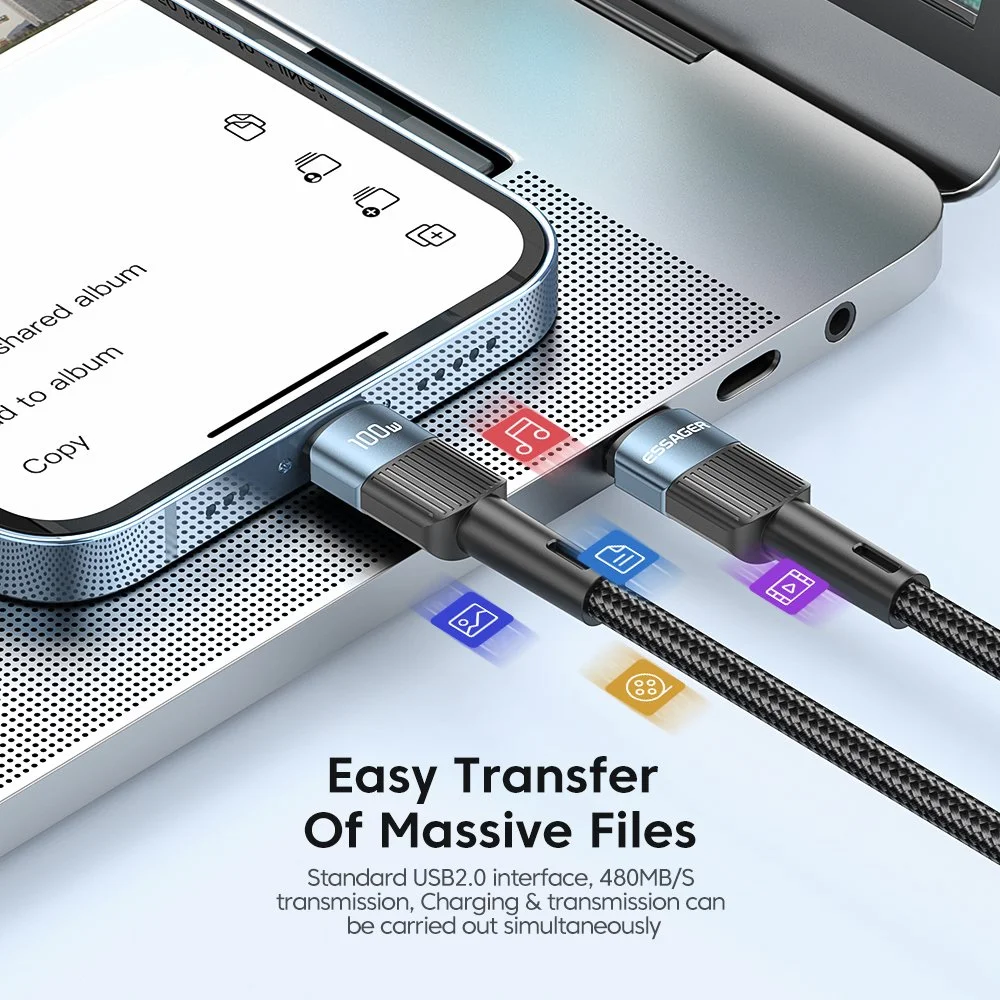
5. The Laptop-Traveler Fix: 100W USB-C to USB-C Fast Charging Cable with Nylon Braided Design — $41.65
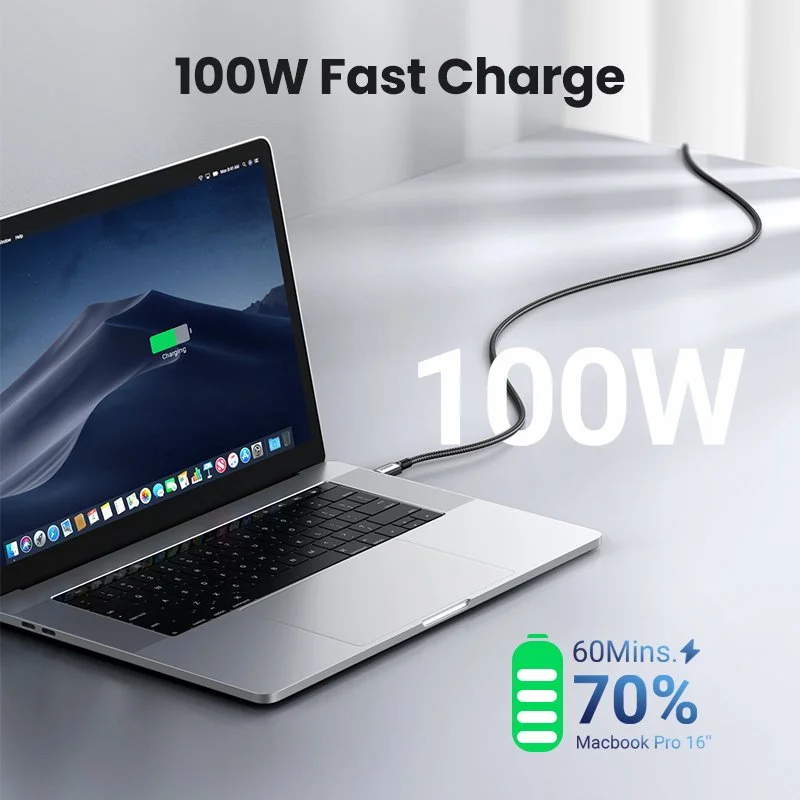
The problem it solves: The laptop that needs serious power, and the cable that can't deliver it. A 100W USB-C cable charges the modern laptop at full speed — no more "charge slowly overnight and hope." Nylon braiding means it survives the trip. [100W USB-C to USB-C Fast Charging Cable with Nylon Braided Design](/products/100w-usb-c-to-usb-c-fast-charging-cable-with-nylon-braided-p-008055) ($41.65) — a nylon-braided USB-C to USB-C cable rated at 100W. The 100W rating covers modern laptops and fast-charging everything; the nylon braid handles the travel abuse. What you're getting: A cable that fully powers the laptop and fast-charges the phone from the same cord. For the laptop traveler, this is the difference between a full charge before the meeting and a draining battery. The nylon braid is the durability upgrade for the bag. One cable, all the power. Who it's for: Laptop travelers with USB-C laptops (MacBooks, many Windows ultrabooks), anyone whose stock cable is short and slow, and power users who want one cable that does everything. Honest limits: 100W is plenty for most laptops but not all — the highest-power gaming/workstation laptops may want 240W (a pick from the desk-gadgets guide covers that). It's USB-C to USB-C, so older devices need their own cable. And at $41.65 it's a premium cable — the price buys the speed and durability.
6. The Hotel-Outlet Fix: 100W USB-C to USB-C Fast Charging Cable for Laptops & Phones — $28.65
The problem it solves: The hotel room where the only outlet is across the room — and the stock cable doesn't reach the bed. A longer, high-power USB-C cable bridges the gap, letting you charge the laptop and phone from the inconvenient outlet while you work from the bed or the desk. [100W USB-C to USB-C Fast Charging Cable for Laptops & Phones](/products/100w-usb-c-to-usb-c-fast-charging-cable-for-laptops-and-p-008053) ($28.65) — a 100W USB-C to USB-C fast-charging cable for laptops and phones. The 100W rating covers both, and the length (check listing) reaches the far outlet. What you're getting: A high-power cable with the reach to solve the hotel-outlet geometry problem. It charges the laptop and the phone at full speed from one cord, and the length means the device isn't chained to the outlet. It's the travel cable that works with the room, not against it. Who it's for: Hotel-stayers who've crawled across the floor to reach an outlet, anyone whose bed is further from the wall than the stock cable allows, and travelers who charge multiple devices from one outlet position. Honest limits: Longer cables have slightly more resistance — negligible for charging, but don't expect laboratory-perfect voltage drop claims to matter. The 100W rating covers laptops and phones; very high-power devices may want more. And cable length varies by listing — confirm the length fits your use case before buying.
The Travel-Tech Comparison
| Pick | Price | Travel problem it solves | Best for | Watch out for |
|---|---|---|---|---|
| Bluetooth Silent Mouse | $28.49 | Lost dongle, noisy clicks | Laptop travelers | Re-pairing |
| 60W Braided USB-C Cable | $22.80 | Cable breaks in the bag | One-good-cable people | Connector ends |
| Micro USB Braided Cable | $14.49 | Legacy devices don't charge | Mixed-device travelers | Legacy speed |
| 40H-Playtime Earbuds | $49.65 | Earbuds die mid-flight | Frequent flyers | Not noise-cancelling |
| 100W Nylon USB-C Cable | $41.65 | Laptop needs real power | USB-C laptop owners | Premium price |
| 100W Long USB-C Cable | $28.65 | Hotel outlet too far | Hotel-stayers | Length varies |
Editor's Buying Notes: The Carry-Less, Charge-Fast Philosophy
Travel tech fails in three predictable ways — too heavy, too slow, or too fragile — and every pick here attacks one of those. The braided cables are the fragility fix: the woven exterior survives the bag, the zipper pinch, and the constant coil-and-uncoil that kills plain cables in months. If you've ever had a cable die at the airport, the braid is the upgrade. The one-good-cable philosophy is the core of travel packing. One 60W braided USB-C cable replaces the drawer of flaky cords — it charges the phone, the laptop (most models), and the power bank from one cord. Add the Micro USB cable for the legacy devices (power banks, older earbuds, cameras) and every device in the bag charges. That's the whole cable system: two cables, zero dead devices. Audio is the flight-critical category. Earbuds that die over the ocean are the single worst travel-tech failure — and the fix is total playtime, not just the buds' battery. The 40-hour total (buds + case) covers multi-leg days without hunting a charger. For the frequent flyer, this is the difference between a pleasant flight and a fidgety one. The hotel-outlet problem is more common than people admit. The room has one outlet, it's across the room, and the stock cable doesn't reach the bed. A longer high-power cable solves the geometry — charge from the inconvenient outlet while working from the bed. It's a $28 fix for a nightly annoyance. The one trap: buying cables by wattage alone without checking the device. USB-C to USB-C doesn't serve older Apple devices (those need Lightning). Micro USB is legacy. The 100W rating is headroom — most devices draw less, and the cable just handles it. Match the connector to the devices you actually carry, not the most impressive spec. A minimal travel kit (earbuds + one braided USB-C cable) runs about $72 and covers the two failures that matter most: audio that survives the flight and a cable that survives the bag. The full kit at about $186 adds the mouse, the Micro USB coverage, and the high-power laptop cable — for the traveler who works everywhere.
Common Travel-Tech Mistakes to Avoid
The first mistake is packing a drawer of cables instead of a system. Two cables — one braided USB-C and one Micro USB for legacy devices — cover every device in the bag. The rest are weight and tangles. The second mistake is buying cables by wattage alone without checking the device. USB-C to USB-C doesn't serve older Apple devices (those need Lightning). Micro USB is legacy. The 100W rating is headroom — most devices draw less. Match the connector to the devices you actually carry. The third mistake is waiting for the cable to break before upgrading. The cheap cable that dies at the airport is a travel-tech rite of passage — and it's entirely preventable with a braided cable that survives the bag. Upgrade before the trip, not after the failure. The fourth mistake is buying audio without checking total playtime. Earbuds that die over the ocean are the single worst travel-tech failure. The number that matters is the total (buds + case), not just the buds' battery — 40 hours covers multi-leg days. The fifth mistake is packing gear you don't use. The wireless mouse only earns its weight if you actually work from the laptop on trips. For the vacation traveler who doesn't work on the road, the mouse and the long cable are weight — skip them and keep the essentials.
Build the Kit by Traveler Type
The best travel-tech kit is not universal. It depends on whether the trip is for work, vacation, long-haul flying, or mixed-device family travel. The same accessory can be essential in one bag and dead weight in another. For a short business trip, start with the Bluetooth mouse, the earbuds, and one high-quality USB-C cable. The mouse makes laptop work easier in hotel rooms, airport lounges, and temporary desks. The earbuds cover calls, flights, and quick video meetings. The cable keeps the laptop and phone alive. This is the lean work kit: input, audio, charging. For a vacation traveler, skip the mouse unless you know you will work. The priority becomes the earbuds and the cable system. Long-play earbuds matter on flights, train rides, and quiet hotel nights. A braided USB-C cable handles the modern devices, while the Micro USB cable covers the older camera, power bank, or accessory that always seems to use the previous standard. Vacation packing should reduce thought, not add more devices to manage. For a frequent flyer, the earbuds are the anchor item. Total playtime matters more than almost any other spec because travel days stretch. Add the 60W braided cable as the everyday charge cord, then add the 100W cable if your laptop is USB-C powered. The airport problem is not only battery life. It is having the right cable when the only available outlet is twenty minutes from boarding. For a hotel-based remote worker, the long 100W cable is the quiet hero. Hotel rooms often have bad outlet placement: behind the bed, across from the desk, or under a lamp base that is already occupied. A longer high-power cable lets the room layout stop dictating where you work. Pair it with the Bluetooth mouse and earbuds and the hotel desk becomes usable quickly. For a family or mixed-device bag, carry both USB-C and Micro USB. Someone will have older earbuds, a camera, a toy, a power bank, or a borrowed device that does not match the main cable. The Micro USB cable is not glamorous, but it prevents the one-device failure that causes unnecessary stress during a trip.
The Travel Charging Checklist
Before packing, lay every device on the table and match it to a cable. Phone, laptop, earbuds, power bank, tablet, camera, mouse, and any small gadget should each have an obvious charging path. If one device needs a connector that nothing else uses, that cable belongs in the bag or the device stays home. Next, match cables to chargers. A 100W cable cannot create 100W charging by itself. It needs a charger that can deliver enough power and a device that can receive it. The same rule applies to the 60W cable. The cable is the highway; the charger and device decide how much traffic actually moves. This is why checking only cable wattage can mislead travelers. Then check cable condition. Look at the connector ends, not only the cable jacket. Braiding protects the cord body, but the strain relief near the plug is still the part that bends hardest. If the connector wiggles, charges only at one angle, or disconnects when touched, replace it before the trip. A bad cable discovered at home is a minor annoyance. A bad cable discovered at the airport becomes a trip problem. Charge the earbuds and case fully, then wear them for a short test. Confirm pairing, microphone behavior, and case charging. Long total playtime is useful only if the case actually starts full. If the earbuds will be used for work calls, record a quick voice memo in a noisy room to make sure the microphone quality is acceptable. For the Bluetooth mouse, confirm pairing before leaving. If it supports dual mode, decide whether the trip will use Bluetooth or the receiver. If a receiver is involved, store it in the mouse or a fixed pocket. The entire advantage of a travel mouse disappears if the tiny receiver is floating loose in the bag. Finally, pack the cable system in one pouch rather than scattering cords across pockets. Travel tech becomes easier when you can answer one question quickly: where is the charging kit? A small pouch with two or three known cables beats five loose cords every time.
What to Leave Home
Leave home duplicate short cables that do not solve a specific problem. They tangle, add weight, and still fail when the hotel outlet is too far away. One durable main cable and one backup connector type are more useful than a bundle of weak cords. Leave home the mouse if the trip is purely leisure. It is a strong work accessory, but it does nothing on a trip where the laptop stays closed. Leave home the high-watt cable if no device can use it. Headroom is good, but unnecessary headroom is just money and bag space. The best under-$50 travel tech is not the most impressive gadget. It is the accessory that removes one predictable failure from the trip.
FAQ
Q: What's the minimum tech kit for a short business trip? A: Earbuds ($49.65) + one braided USB-C cable ($22.80) + the wireless mouse ($28.49) if you work from a laptop. About $100 total — covers audio, charging, and input. Q: Do I need separate cables for USB-C and Micro USB devices? A: Yes, unless everything you own is USB-C. Pick #2 covers USB-C; pick #3 covers Micro USB. Carry both and every device charges. Q: Can one cable really charge my laptop and phone? A: Yes, with a 100W-rated USB-C cable (picks #5 or #6) — as long as the charger is powerful enough and the device supports USB-C charging. One cable, one charger position, both devices. Q: Are these cables TSA/airline friendly? A: Cables are fine in carry-on. Power banks and devices with lithium batteries must go in carry-on, not checked bags. Chargers are fine either way. Q: What's the best pick for someone who only travels a few times a year? A: The braided 60W cable ($22.80) + the long-play earbuds ($49.65) ≈ $72. The cable survives the bag, the earbuds survive the flight — the two travel-tech failures that matter most. Q: Which pick is the best value on this list? A: The 60W braided cable at $22.80. It covers the phone, the laptop, and the power bank with one durable cord — the highest utility-per-dollar on the list. Q: Do I need a power bank too? A: Yes, if your trips run longer than a day. One power bank charges the phone and the earbuds case in a pinch, and all the rechargeables here use USB charging. Q: Are braided cables worth the extra cost? A: Yes. The braided exterior survives bag wear, zipper pinches, and repeated coiling better than plain cable jackets.